

AI-Personal Application
Over the past couple of weeks, we looked at Artificial intelligence (AI) and how it has seamlessly integrated into our daily lives. You may not realize it, but it has been transforming the way we work, communicate, and even relax. Here are some practical applications of AI that impact everyday activities, in alphabetical order. Some of these you have used and not even realized it.
Autonomous Vehicles
I know you have thought about self-driving cars and how they rely on AI for navigation, obstacle detection, and passenger safety. Although still under development for widespread use, autonomous vehicles promise to reduce accidents caused by human error while improving traffic flow. They are here now, sooner than later.

Chatbots and Customer Service
AI-operated chatbots are widely used for customer service. These bots can answer queries, guide users through processes, and resolve basic issues without human intervention. This improves response times and enhances customer satisfaction. You have been using simple models of these for years, but now they are much more advanced.
Content Creation Tools
As I mentioned in previous weeks, AI assists content creators by suggesting headlines, improving grammar with tools like Grammarly, or even generating entire articles or artworks using machine learning algorithms. Writers like me may need to do another job, but not likely for quite a while.
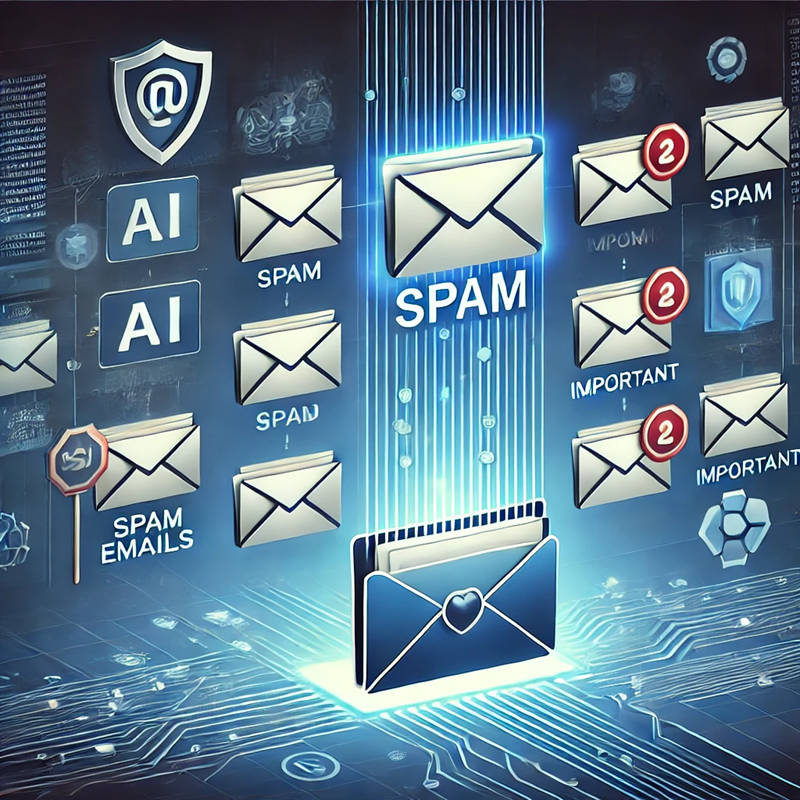
Email Filtering
Email platforms utilize AI algorithms to filter spam and categorize messages into folders like primary, social, and promotions. This ensures users can focus on important communications without sorting through irrelevant emails. You have been using it for years getting rid of scam emails automatically, or at least some of them.
E-commerce Enhancements
AI enhances the online shopping experience through features like virtual try-ons for clothing or accessories. It also optimizes inventory management and customer service operations for retailers.
Facial Recognition
AI-driven facial recognition technology is used for unlocking smartphones, enhancing security systems, and even personalizing retail experiences. It also plays a role in public safety by identifying individuals in surveillance footage. I recently went on a trip out of the country. When I arrived back in the USA, they scanned my face coming down a platform and never asked for my passport. It recognized me and made the process much quicker than ever before. I liked it.
Financial Services
In the banking sector, AI detects fraudulent transactions by identifying unusual patterns in real-time. It streamlines processes like loan approvals and risk assessments while offering personalized financial advice. You have probably gotten calls from your bank validating suspect transactions.
Healthcare Applications
AI is revolutionizing healthcare by assisting in diagnostics and patient care. Algorithms analyze medical images to detect diseases like cancer early on, or predict patient outcomes. AI also personalizes treatment plans for better health management.
Language Translation
Tools like Google Translate employ machine learning, to provide real-time translations of text or speech. This facilitates communication across languages for travelers or global business interactions.
Navigation and Traffic Management
Navigation apps like Google Maps and Waze use AI to analyze real-time traffic data, suggest optimal routes, and predict arrival times. This helps reduce travel time and improves commuting efficiency.

Smart Appliances
Household appliances such as refrigerators or washing machines now incorporate AI to detect issues early on or suggest grocery lists based on usage patterns. These devices make household management more convenient and efficient. We actually start our vacuuming of the house when we are out of town.
Smart Home Devices
AI is central to smart home technology. Devices such as thermostats, lighting systems, and security cameras learn user habits to optimize energy efficiency, enhance security, and increase comfort. For example, smart thermostats adjust heating or cooling based on daily routines. You may already have thermostats and security cameras working in your home. I know we do.
Social Media Analytics
Social media platforms use AI to analyze user interactions. They suggest connections, personalize content feeds, and detect harmful behavior such as cyberbullying or misinformation.

Virtual Personal Assistants
AI-powered virtual assistants like Siri, Alexa, and Google Assistant help manage schedules, set reminders, answer questions, control smart home devices, and perform internet searches. These assistants use natural language processing (NLP) to understand commands and provide personalized responses, making daily routines more efficient. I have even thanked Google Assistant for the help, and they responded back nicely.
These brief examples highlight how AI simplifies tasks while enhancing convenience across various aspects of life—from productivity tools to entertainment and beyond. As technology continues to evolve, its applications are expected to grow even further into areas we have not yet imagined.


